
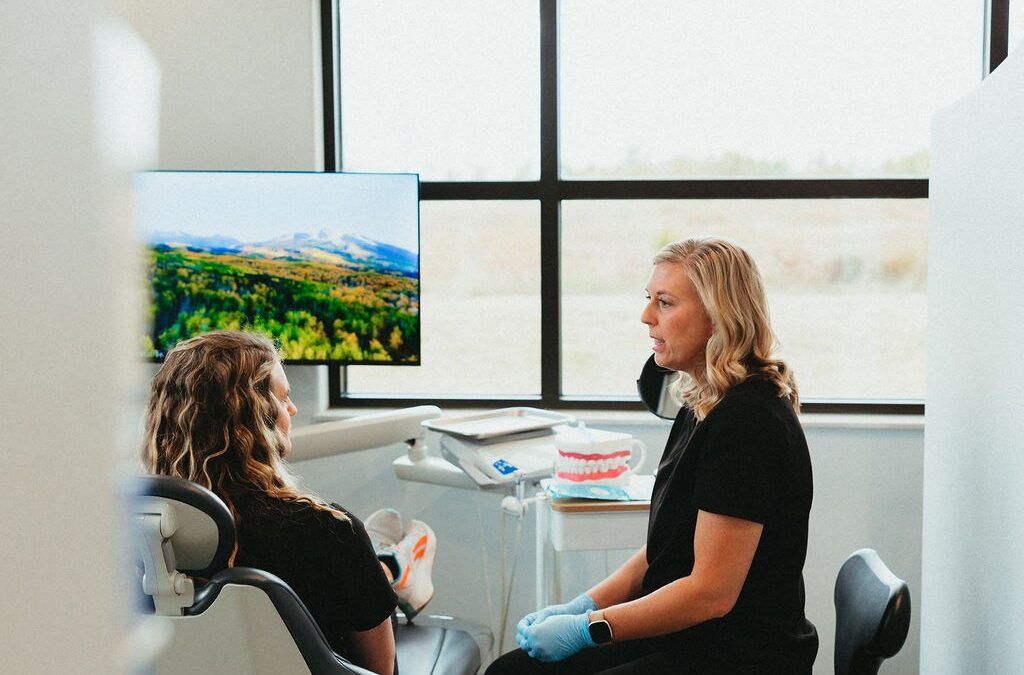
Most people think of dentistry in terms of teeth. Cavities, cleanings, maybe straightening. But there is another layer that often gets overlooked. How your tongue rests. How you breathe. How your muscles function when you swallow, speak, and sleep.
Myofunctional therapy addresses all this at the source.
At Roberts Integrative Dentistry in Joplin, care is not limited to what is visible on the surface. The focus includes how the entire oral system functions and how those patterns affect your health. Myofunctional therapy is one of the ways patients can address underlying issues that traditional approaches may not fully resolve.
If you have been told you grind your teeth, struggle with mouth breathing, or deal with ongoing jaw tension, a myofunctional therapy program may be part of the conversation.
What myofunctional therapy actually is
Myofunctional therapy is a structured program that focuses on retraining the muscles of the mouth, tongue, and face. These muscles play a role in breathing, swallowing, chewing, and even posture.
When these patterns are off, the effects tend to show up in ways that seem unrelated at first. Chronic jaw tension. Trouble breathing through the nose. Habits like tongue thrusting that develop quietly over time. Left unaddressed, they can affect tooth alignment, airway health, and how comfortable you feel day to day.
The goal of therapy is not to force change overnight. It is to guide the body back into more natural and efficient patterns through consistent, targeted exercises.
Muscle function matters more than people think
It is easy to assume that issues like crowded teeth or bite imbalance are only structural. In many cases, however, muscle function plays a role.
For example, the position of the tongue can influence how teeth develop and align over time. A tongue that rests low in the mouth or pushes forward during swallowing can contribute to spacing or misalignment.
Breathing patterns matter too. Chronic mouth breathing can affect facial development, sleep quality, and even how the body responds to stress. In an integrative practice, these patterns are not treated as isolated concerns. They are viewed as part of a larger system that connects oral health with overall well-being.
Your initial evaluation
A myofunctional therapy program typically begins with a detailed evaluation. This is not a quick check. It is a deeper look at how your oral and facial muscles are functioning. During this visit, the provider may assess:
- How you breathe at rest and during activity
- Tongue posture and mobility
- Swallowing patterns
- Lip seal and muscle tone
- Jaw movement and tension
Expect questions about symptoms too: snoring, fatigue, headaches, and difficulty concentrating. These details matter because they help connect the dots between muscle function and how you’re actually feeling day to day. The goal is to understand patterns, not just symptoms.
Building a personalized therapy plan
From there, the plan is built around your specific needs, because myofunctional therapy looks different for everyone. Some patients focus primarily on breathing and airway support, while others work on tongue posture or swallowing patterns.
A typical plan includes a series of exercises designed to strengthen and retrain the muscles. These exercises are simple but require consistency. They are usually done at home, with guidance and follow-up from the dental team.
What the exercises are like
Many patients are surprised by how straightforward the exercises feel at first. They are not physically demanding, but they do require attention and repetition. The exercises may involve:
- Positioning the tongue correctly against the palate
- Practicing nasal breathing
- Improving lip seal
- Coordinating swallowing patterns
- Strengthening specific muscle groups
At first, these movements may feel unfamiliar. That is normal. Over time, they begin to feel more natural as the muscles adapt.
How long does the program typically last?
Myofunctional therapy is not a one-day solution. It is a process that unfolds over time.
Most programs last several weeks to a few months, depending on the complexity of the case and the goals of the patient. Regular check-ins allow the provider to monitor progress and adjust the plan as needed.
Progress looks different for everyone. Some patients notice shifts fairly early, particularly with breathing and body awareness. Others see more gradual improvement in muscle coordination and posture. The timeline isn’t the point; building habits that actually stick is.
Benefits patients often notice
As therapy progresses, many patients begin to notice changes that go beyond the mouth.
- Easier nasal breathing
- Reduced jaw tension
- Better sleep quality
- Fewer headaches or facial discomfort
- Improved awareness of posture and muscle use
For some patients, the benefits extend beyond therapy itself. Addressing muscle patterns can help orthodontic results hold longer, which is one reason myofunctional therapy is often part of a larger, integrated treatment plan.
Common misconceptions about myofunctional therapy
There are a few misconceptions that come up frequently.
One is that therapy is only for children. While early intervention can be helpful, adults can benefit as well. Muscle patterns can change at any age with the right guidance and consistency.
Another misconception is that the exercises are too simple to make a difference. In reality, small, targeted movements repeated over time can create meaningful change. Some patients also assume that results should be immediate. Like any type of training, progress builds gradually.
Take the next step
Myofunctional therapy is about more than exercises. It is about understanding how your body functions and giving it the tools to work more efficiently.
When muscle patterns improve, the effects can extend into multiple areas of health. Breathing becomes easier. Tension decreases. The body feels more balanced. If you are in the Joplin area and want a dental team that looks beyond surface-level concerns, Roberts Integrative Dentistry offers a more complete approach.
Schedule a consultation with Dr. Roberts to talk through what you are experiencing, get clear answers, and walk away with a plan that actually fits your life. You can call the office at (417) 622-0404 to get started.
Recent Comments